Source Glitter Printed PU Leather for Bags, Shoes, and Furniture
Compare 30 listings of glitter printed pu leather suitable for bags, shoes, and furniture. Buyers can review specifications like thickness, width, and customization options from suppliers in China. Explore various patterns including embossed and glitter designs with features such as waterproof and abrasion resistance for diverse applications.
Key considerations
Products List


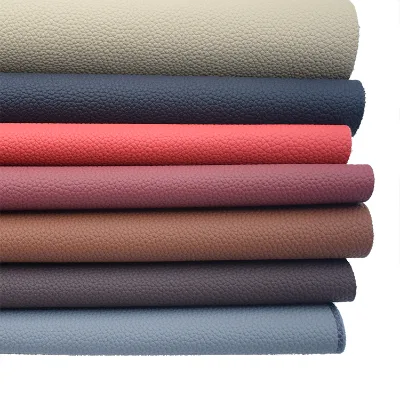


Comprehensive Sourcing Guide
Glitter Printed PU Leather Sourcing Guide
Sourcing glitter printed PU leather requires a careful balance between aesthetic appeal and functional durability, as these materials are frequently specified for high-visibility consumer goods. Buyers must recognize that the glitter component, often achieved through embossing or surface coating, can influence the material’s flexibility and long-term wear characteristics. The observed product range indicates a strong presence of manufacturers in China, particularly in Anhui and Shanghai, who offer customization services to meet specific design requirements. This geographic concentration suggests a mature supply chain for synthetic leather alternatives, yet it also necessitates rigorous due diligence to ensure consistent quality across different production batches.
Procurement teams should approach this category by defining clear technical parameters before engaging with suppliers, as the term "PU leather" encompasses a wide variety of base fabrics and coating technologies. The available data highlights specific model numbers such as SP013100GLT and G023065, which may correspond to distinct thicknesses or backing types. Understanding these internal codes is crucial for accurate reordering and quality control. Furthermore, buyers must verify whether the glitter finish is integrated into the coating or applied as a separate layer, as this distinction affects abrasion resistance and the likelihood of particle shedding during use.
Product Scope and Observed Listing Signals
The observed market signals indicate that glitter printed PU leather is versatile, with applications spanning bags, footwear, furniture, and decorative items. Listings show a wide range of usage scenarios, including garments, upholstery, and accessories, suggesting that the material is adaptable to both structural and aesthetic roles. The presence of features like abrasion resistance and waterproofing implies that these materials are engineered for practical use rather than purely decorative purposes. Buyers should note that while some products are marketed for home textiles or car seats, others are specifically tailored for fashion items like shoes and bags, requiring different performance standards.
Packing and presentation details reveal significant variation in how suppliers prepare their goods for shipment. Some products are packed in plastic or PP materials, while others use PE film or individual OPP bags with tissue paper. This diversity in packaging suggests that suppliers cater to different client needs, from bulk industrial use to retail-ready presentation. The observed width of 54/55 inches is a standard metric for many textile and leather goods, but some listings also mention widths up to 5.1 meters, indicating specialized applications for large-scale upholstery or automotive interiors. Buyers must clarify these dimensions early to avoid compatibility issues with their manufacturing equipment.
Technical Specifications to Verify
Thickness is a critical specification that varies significantly across the observed product range, with values such as 0.6mm, 0.7mm, and 1.1mm appearing in the data. Thicker variants are generally more suitable for structured items like bags or furniture, while thinner options may be preferred for garments or linings where drape and flexibility are paramount. Buyers must verify the exact thickness required for their application, as deviations can impact the final product’s feel and durability. Additionally, the backing technics, such as woven structures, play a vital role in the material’s strength and stability, so understanding the base fabric composition is essential for performance prediction.
Model numbers and standard codes provide a unique identifier for each product variant, but they are not always standardized across suppliers. For instance, models like G009060 and WT11/22/25/36/45/51/52/56/57/58 suggest a complex cataloging system that buyers must navigate carefully. It is advisable to request physical samples to confirm that the visual appearance, texture, and glitter intensity match the supplier’s digital representations. The presence of "Finished" patterns and specific yarn counts like 500D*500D further indicates that the material’s construction is a key differentiator, requiring close attention to detail during the sampling phase.
Compliance and Safety Documentation
While specific certification statuses are not explicitly confirmed in the observed data, buyers should proactively request documentation for relevant safety and environmental standards. Trusted category knowledge suggests that materials intended for consumer goods, especially those in contact with skin or used in children’s products, often require compliance with OEKO-TEX or similar textile safety standards. Buyers must verify if the glitter components and PU coatings meet restrictions on hazardous substances, particularly if the products are destined for markets with strict regulatory frameworks like the EU or North America.
Documentation should also cover the material’s flammability and chemical resistance, especially for applications in automotive interiors or public furniture. Buyers should ask suppliers to provide test reports from accredited laboratories to validate claims of waterproofing and abrasion resistance. Although ISO9001:2015 and ISO14001 are mentioned in background contexts, their applicability to specific product lines must be confirmed with the supplier. Ensuring that the supplier has a robust quality management system in place is crucial for maintaining consistency in glitter adhesion and colorfastness over time.
Cost Drivers and Commercial Terms
The observed price range of 0.1 to 14.8 USD per unit reflects the vast diversity in product specifications, from basic decorative sheets to high-performance automotive-grade leather. Factors such as thickness, width, and the complexity of the glitter print significantly influence the final cost. Buyers should be aware that customization options, which are widely available, may incur additional setup fees or higher minimum order quantities. Understanding the cost structure helps in negotiating better terms and avoiding unexpected charges for minor design adjustments or special packaging requirements.
Minimum Order Quantities (MOQs) vary widely, ranging from 10 to 6400 square meters, depending on the supplier and product type. High MOQs are often associated with standard products or bulk industrial orders, while lower MOQs may be available for customized or sample orders at a premium price. Payment terms such as T/T and L/C are common, offering flexibility for different transaction sizes. Buyers should align their order volumes with their inventory capacity and cash flow, considering that larger orders may offer better unit prices but require more storage and handling resources.
Supplier Qualification and Quality Control
Verifying the supplier’s location and production capabilities is a fundamental step in the qualification process. The observed origins in Anhui and Shanghai indicate established manufacturing hubs, but buyers should conduct on-site audits or request virtual tours to assess production lines and quality control procedures. It is essential to confirm that the supplier has the necessary equipment to handle the specific glitter printing and embossing techniques required for the order. Suppliers with OEM capabilities, as indicated by some brand names, may offer greater flexibility in meeting custom design specifications.
Quality control measures should include regular inspections of the glitter adhesion, color consistency, and surface finish. Buyers should establish clear acceptance criteria for defects such as peeling, cracking, or uneven glitter distribution. Requesting pre-shipment inspections or third-party quality assurance services can help mitigate risks associated with large orders. Additionally, maintaining open communication with the supplier regarding any changes in raw materials or production processes is crucial for ensuring that the final product meets the agreed-upon standards.
Long-Term Procurement Checks
Establishing a long-term relationship with a reliable supplier requires ongoing monitoring of product performance and supplier responsiveness. Buyers should track the material’s durability in real-world applications, noting any issues with glitter shedding or coating degradation over time. Regular feedback loops with the supplier can help identify areas for improvement and ensure that the material continues to meet evolving market demands. Consistency in supply is also critical, so buyers should assess the supplier’s ability to maintain stable production schedules and inventory levels.
Reviewing commercial terms periodically is advisable to ensure that pricing and payment conditions remain competitive and aligned with market trends. Buyers should also stay informed about any changes in regulatory requirements or industry standards that may impact the use of PU leather and glitter finishes. By maintaining a proactive approach to supplier management and quality assurance, buyers can secure a steady supply of high-quality glitter printed PU leather for their diverse product needs.
FAQs
What customization options are available for glitter printed PU leather?
Customization is available for glitter printed PU leather products. Buyers can request specific patterns, such as embossed or glitter finishes, and tailor dimensions to their needs. The material supports various applications including bags, furniture, and garments, allowing for flexible design integration based on client requirements.
What are the key features of this PU leather material?
This PU leather is abrasion resistant and waterproof, ensuring durability in daily use. It is available in thicknesses ranging from 0.6mm to 1.1mm, with a standard width of 54/55 inches. The material is soft and elastic, making it suitable for garments, shoes, and decorative items.
Can I order small quantities of glitter printed PU leather?
Yes, small quantities can be ordered as the minimum order quantity starts at 10 units. However, some specific product models may require higher MOQs, such as 6400 square meters. Buyers should verify the MOQ for their chosen model number to ensure alignment with their procurement volume.
Where is this glitter printed PU leather manufactured?
This material is manufactured in China, with specific origins noted in Anhui and Shanghai. The production facilities support various packing methods, including plastic, PP, and PE film. Buyers can expect consistent quality from these Chinese manufacturing hubs for their sourcing needs.
What payment terms are accepted for these PU leather orders?
Accepted payment terms include T/T and L/C. These standard financial instruments facilitate secure transactions for bulk orders. Buyers should coordinate with suppliers to confirm the specific payment schedule and requirements based on the order value and agreed delivery terms.
What is the standard width of the glitter printed PU leather?
The standard width is 54/55 inches, which is typical for many textile and leather applications. Some specialized products may offer widths ranging from 1.02 to 5.1 meters. Buyers should specify their required width to ensure the material fits their production or design specifications.